
The awards
Our medals and how they are earned
The Society has awarded medals for bravery since 1874. Each award reflects the degree of risk the rescuer encountered, judged on the facts of what happened.
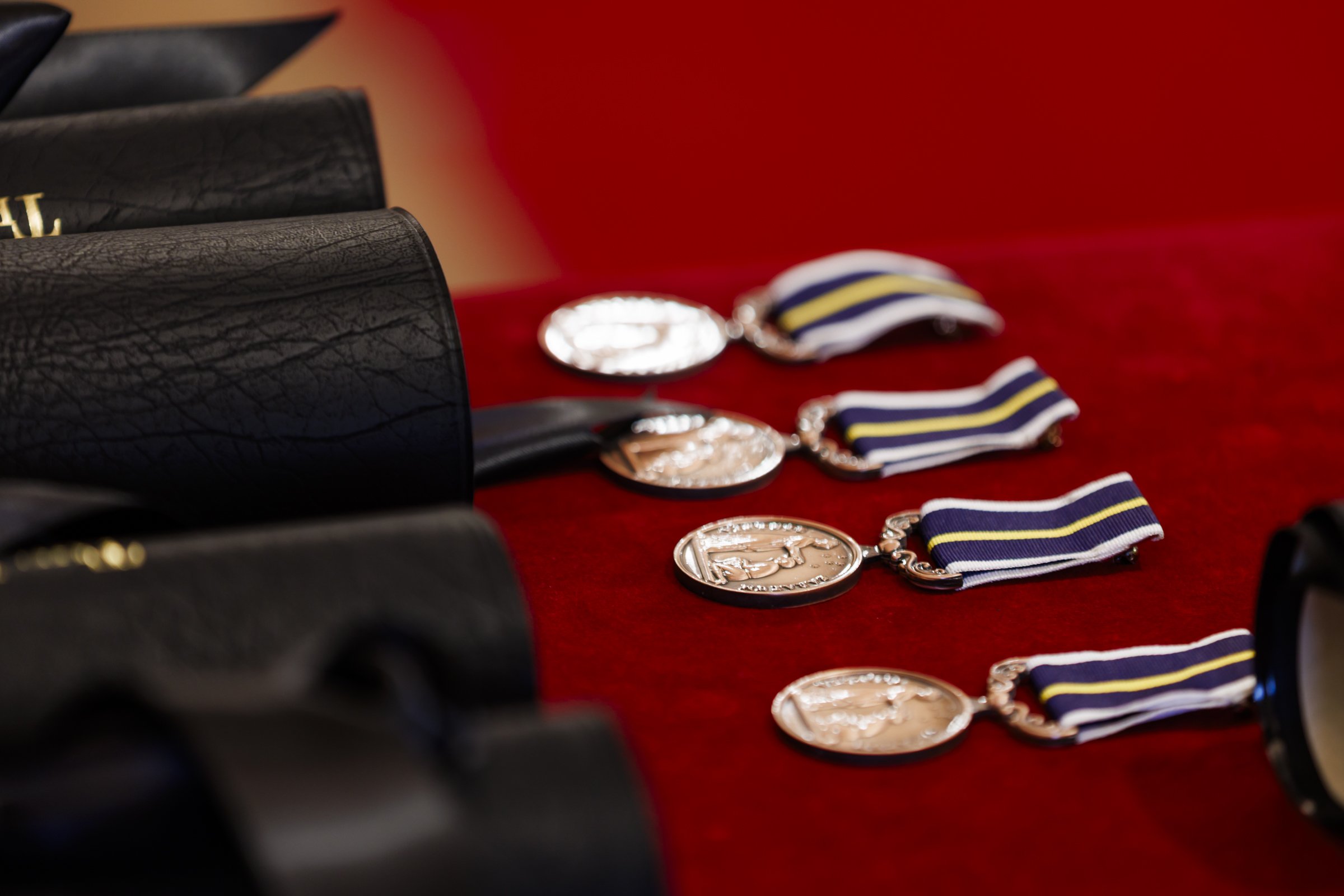
Major awards
Clarke, Stanhope & Rupert Wilks
Three awards stand apart, given rarely and for the most exceptional acts.
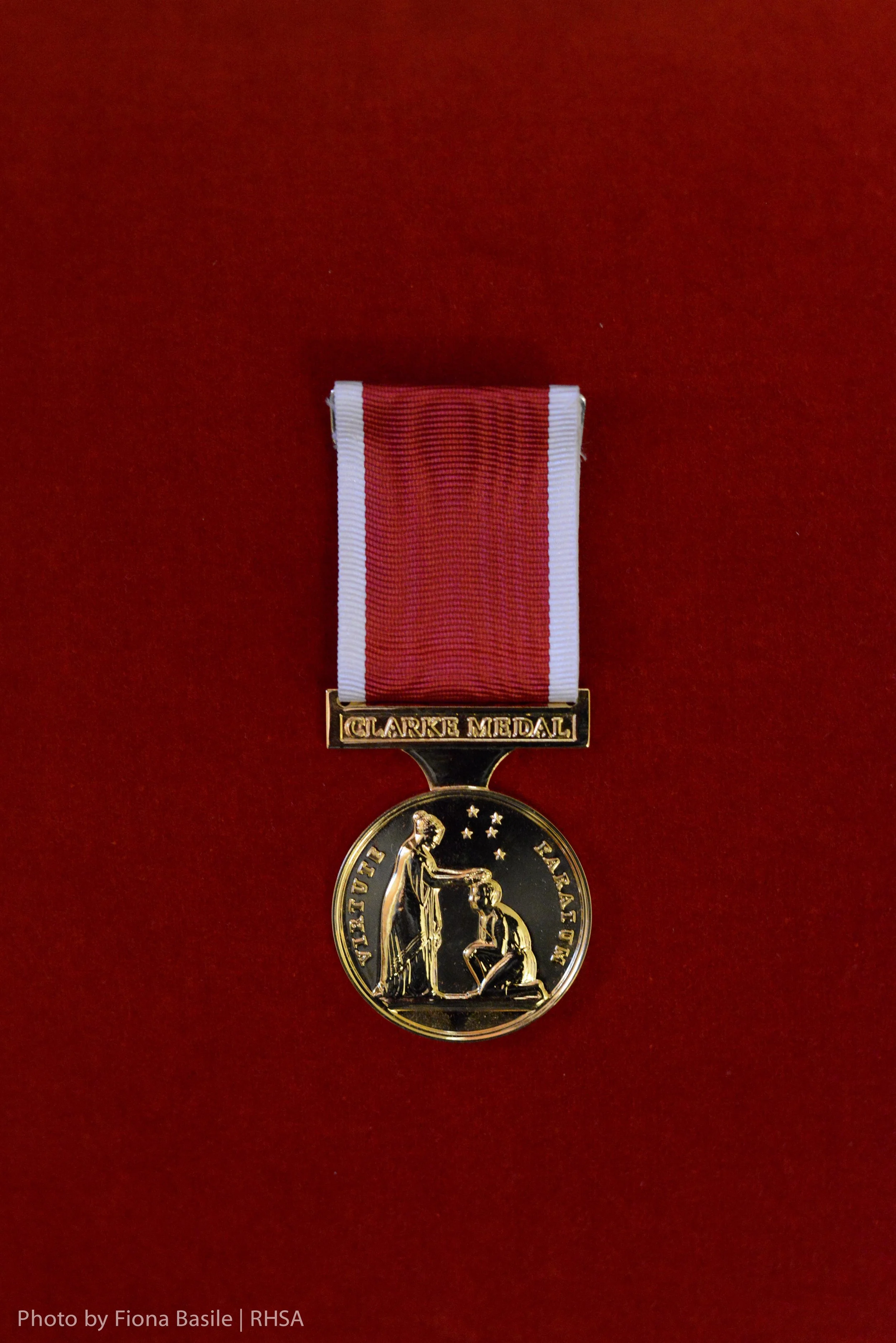
Clarke Medal
Founded by the Honourable W. J. Clarke M.L.C. in July 1881, the Clarke Medal is awarded for the most outstanding case of bravery considered during the year. Only Gold and Silver Medal winners are eligible.
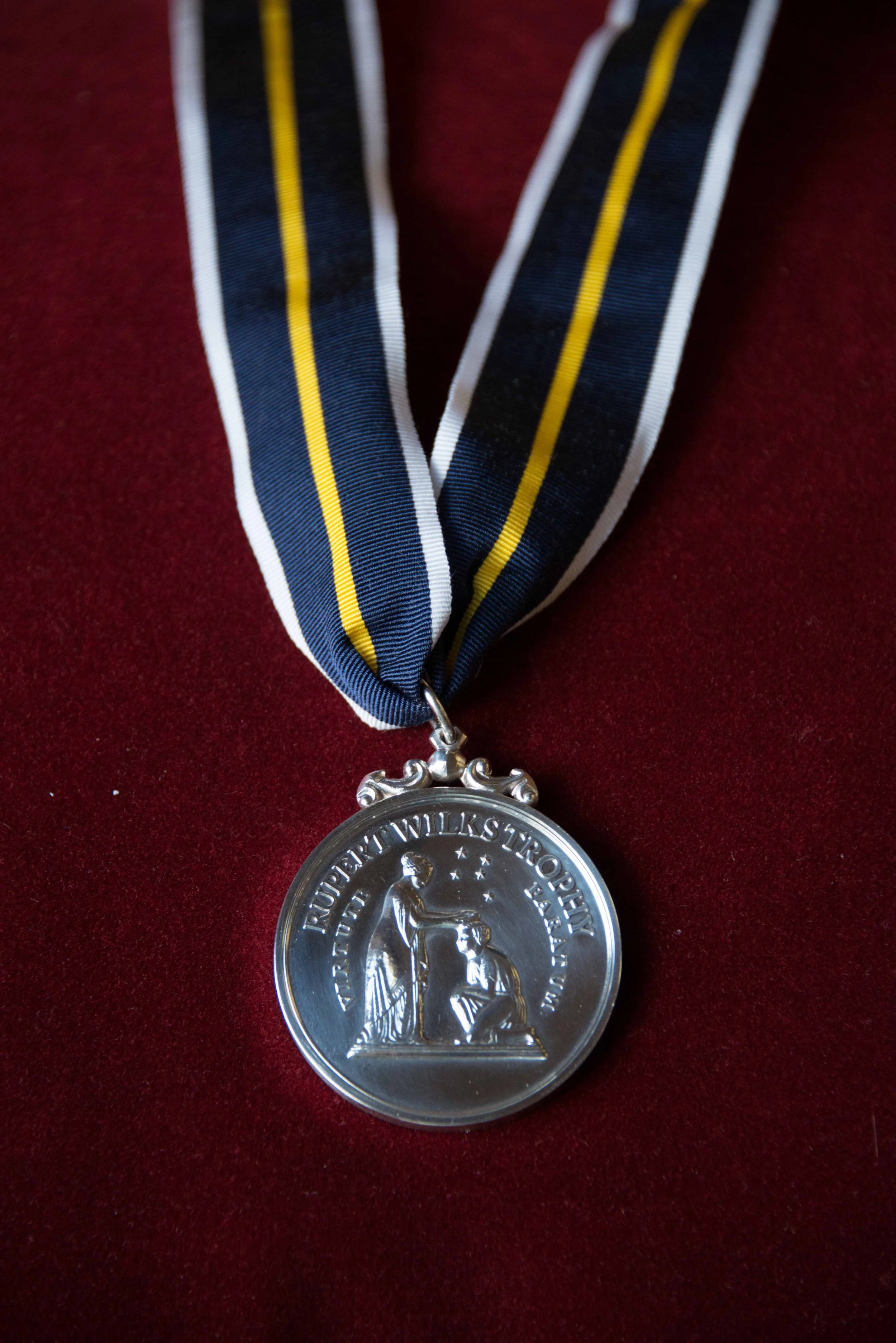
Rupert Wilks Trophy
Under 13
In 1952, Mrs Rupert de C. Wilks founded the Rupert Wilks Trophy in memory of her husband. It is awarded annually for the most outstanding act of bravery by a child under 13 years of age.
Rupert Wilks served on the Court of Directors from 1927 to 1947, and was president for his last ten years. His father, John Wilks JP, was president of the Society from 1876 to 1889.
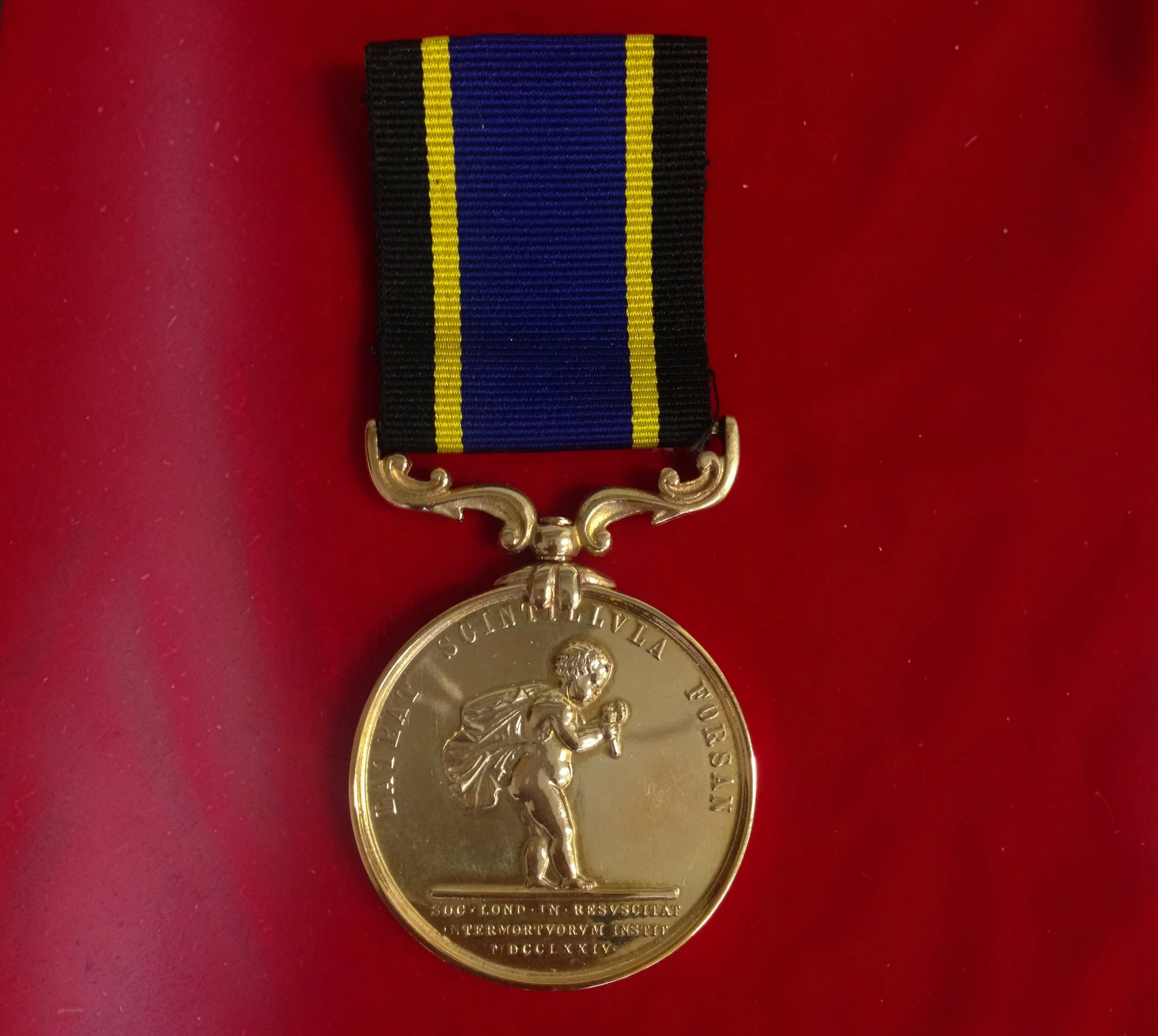
Stanhope Gold Medal
Awarded in the UK
Instituted in 1873, the Stanhope Gold Medal is the UK Royal Humane Society's most prestigious award. It is presented annually to an existing medal winner nominated by one of seven affiliated humane societies, including this one. Ten Australian recipients have received it.
Bravery awards
By degree of risk
Our bravery awards are graded by the degree of risk the rescuer encountered, judged on the facts of what happened.
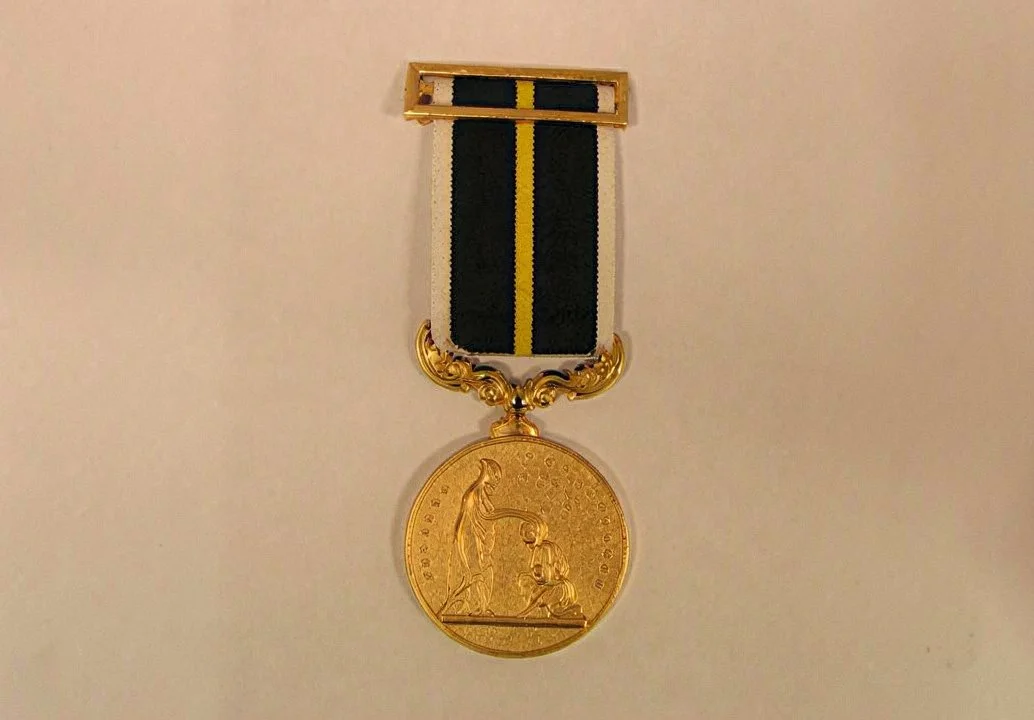
Gold Medal
Acts of conspicuous bravery by those who risk their own lives in saving or attempting to save the lives of others.
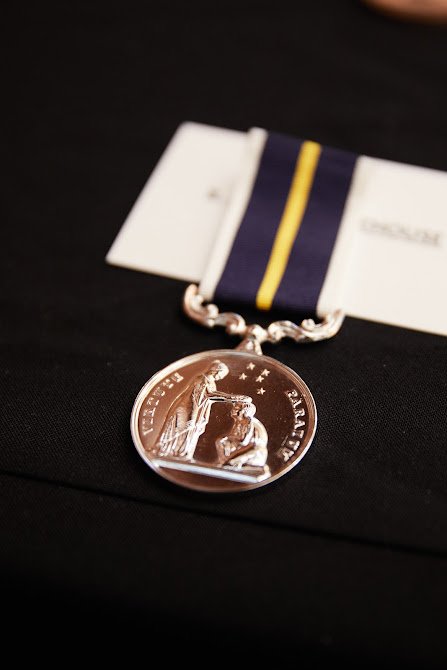
Silver Medal
Acts of bravery in hazardous circumstances by those who are at considerable risk to their own lives in saving or attempting to save the lives of others.
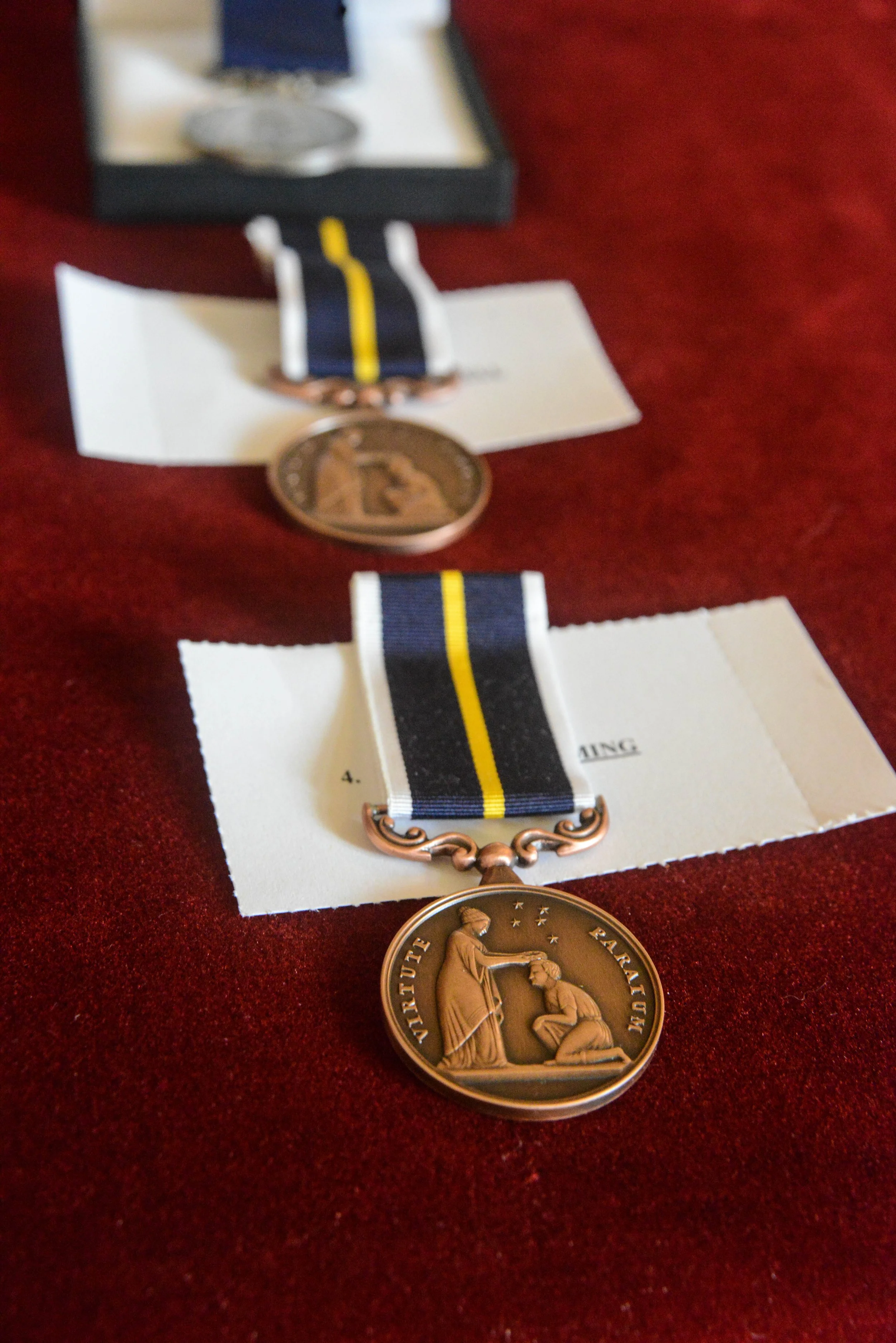
Bronze Medal
Acts of bravery by those who are at some significant degree of risk to their own lives in saving or attempting to save the lives of others.
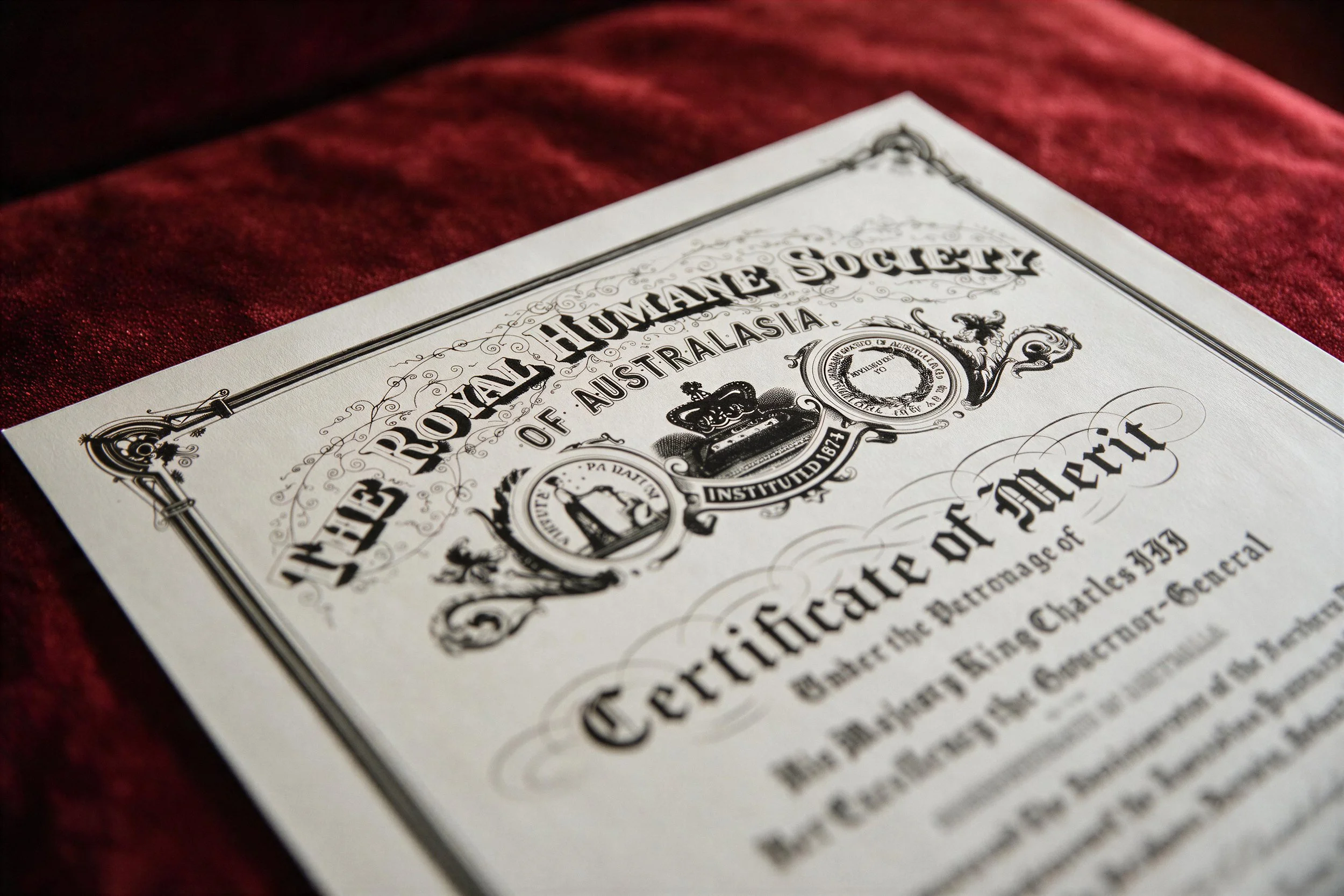
Certificate of Merit
Acts of bravery by those who, while at a limited degree of risk to their own lives, save or attempt to save the lives of others.
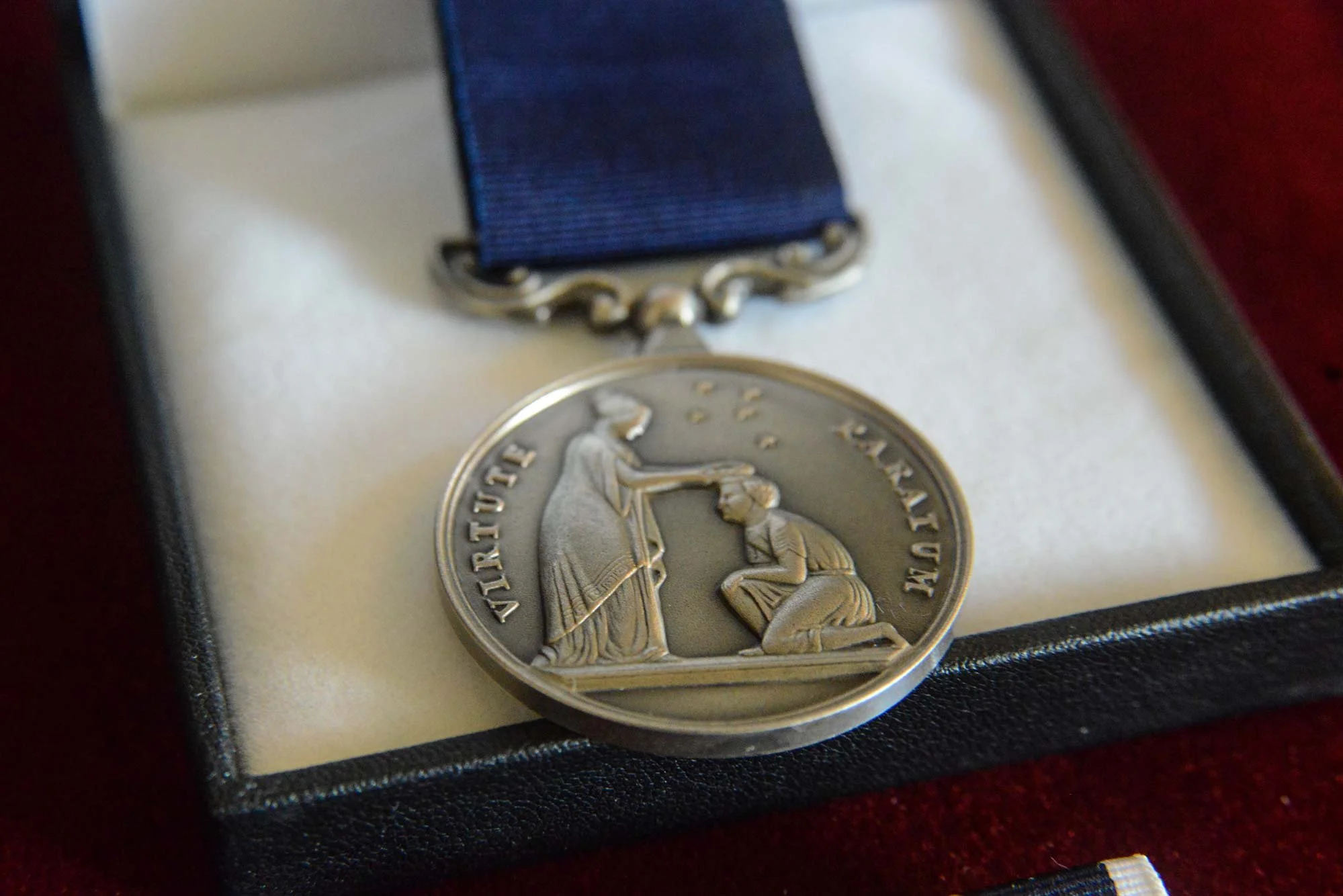
Posthumous Medal
The actions of those who lose their lives in going to the rescue of others are recognised by the awarding of the Posthumous Medal.
Medal Design & Insignia
The craft of the medal
Lega Recognition Solutions based in Melbourne are our medal sponsor.
The history of the medal design dates back to 1882 when the Society became the first federated institution in Australia. At the same time, the Society was granted the use of “Royal” by Queen Victoria.
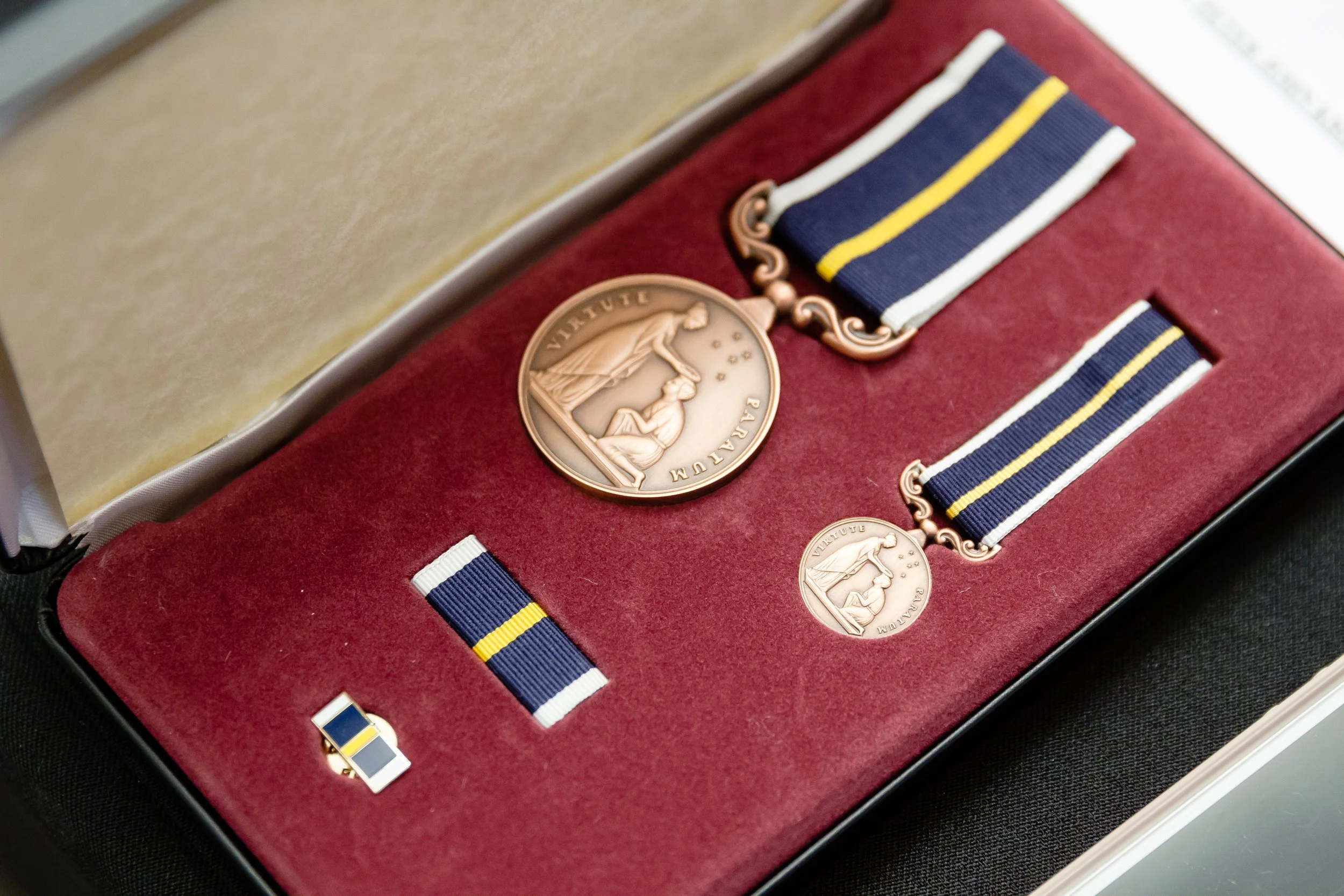
Impression of a robed woman bestowing a laurel wreath on the head of a kneeling youth on the obverse and the words "VIRTUTE / PARATUM". What appears to be the Southern Cross appears above the head of the youth and there is foliage at ground level.
"VIRTUTE / PARATUM"
With virtue or in virtue / always prepared or always ready. However, it can also commonly be translated as “Bravery Rewarded”
Artists
Julius Hogarth prominent jeweller and medal maker and Charles Turner
Julius Hogarth
Was a renowned jeweller and artist from Belgium who designed many of the prominent plates / plaques and medals of the time. He lived in Sydney then in Melbourne.
Charles Turner
Museum Victoria holds several Royal Humane Society of Australasia medals, designed by Charles Turner. This is probably the Charles Turner who illustrated and lithographed Ye Rambles & Exploits of Professor Chunk by John Dunbar Dobson around 1880.
Act of bravery
Nominate someone for an award
If you know someone who risked their own safety to save another person's life, you can nominate them at any time. Nominations can be made by anyone. You do not need to have been there, and you do not need to be related to the person involved.